Brixton rubbish collection near Brixton Market explained
Posted on 04/07/2026
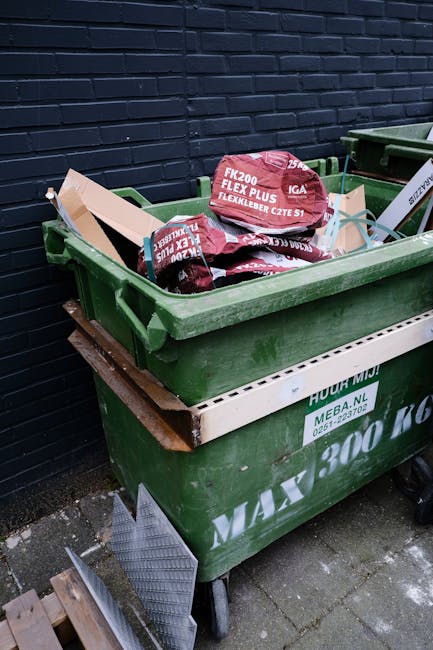
If you have ever stood near Brixton Market with a bag of broken-down boxes, an old chair, or the aftermath of a flat clear-out and thought, right, what happens now?, you are in the right place. Brixton rubbish collection near Brixton Market explained is really about one thing: making sense of how local waste is cleared quickly, safely, and without turning a busy day in Brixton into a logistical headache.
The market area has its own rhythm. Deliveries arrive early, footfall builds fast, pavements get busy, and there is not much patience for rubbish sitting around. Whether you are a shop owner, a landlord, a tenant, or just sorting out a one-off clearance, the details matter. In this guide, we will walk through how rubbish collection works near Brixton Market, what to watch out for, and how to choose a sensible option without overcomplicating it. No fluff, just the useful stuff.
Why Brixton rubbish collection near Brixton Market explained Matters
Brixton Market is one of those places where a small waste problem can become a big one quite quickly. A single overflowing sack, a stack of cardboard from a delivery, or a broken fitting left by a shopfront can make an entrance look untidy and create real nuisance for neighbours, visitors, and staff. In a high-footfall area, rubbish is not just an eyesore. It can affect access, safety, smell, and how professional your premises feels.
That is why local rubbish collection matters more here than in quieter residential streets. Timing is tighter. Space is limited. Lorries, pedestrians, traders, and cyclists all share the same patch of ground. If waste is handled badly, you can end up with missed pickups, blocked walkways, complaints, or that awkward moment where everyone is standing around the bin and nobody wants to own the problem. Let's face it, nobody enjoys being the person who left the pile by the gate.
There is also the simple reality of mixed waste. Around Brixton Market, you often get packaging, food-related refuse, furniture, display items, broken fixtures, and renovation debris all in the same week. That mix needs a proper plan, not a vague hope that it will sort itself out by Friday.
For readers comparing broader local waste services, it can help to understand the wider context first. The area's service expectations are usually shaped by busy streets, shared access, and the need for reliable collection windows. You can get a helpful overview in the site's services overview, and if sustainability is important to you, the recycling and sustainability page is worth a look too.
How Brixton rubbish collection near Brixton Market explained Works
In plain English, the process is usually straightforward. You identify what needs removing, decide how urgently it needs to go, and arrange a collection method that fits the amount and type of waste. Near Brixton Market, the best option is often the one that keeps disruption low and handles access neatly.
Most collections follow a similar pattern:
- Assess the waste - work out whether you have general rubbish, bulky items, furniture, builders' waste, or a mix.
- Check access - think about whether the collection vehicle can stop nearby, how far waste needs carrying, and whether there are stairs, basements, or tight corridors.
- Choose the right service - some jobs are simple same-day rubbish removal; others need a larger clearance team.
- Confirm timing - around the market, timing matters. Early slots or quieter windows are often easier.
- Separate anything sensitive - paperwork, electrical items, or reusable furniture may need sorting before removal.
- Collection and loading - the team removes items, loads them safely, and clears the area so you are not left with half a job.
- Responsible handling - waste should be taken to appropriate facilities, with recycling considered where possible.
The key thing to understand is that rubbish collection is not only about throwing things away. Good collection is about matching the method to the setting. A small shop clear-out, a post-event tidy, and a flat clearance near the market all have different demands, even if they look similar at first glance.
When people ask what makes Brixton different, it is usually the combination of tight streets and constant movement. Waste collection in that environment needs planning, not guesswork. If you want a broader sense of what regular local collections can look like, the dedicated waste collection in Brixton page is a useful companion read.
Key Benefits and Practical Advantages
There are a few obvious benefits, and a few that only become obvious once you have dealt with a messy pile of waste yourself.
- Cleaner frontage - especially important near Brixton Market, where first impressions are immediate.
- Safer access - fewer trip hazards, less obstruction, and less risk around entrances or shared walkways.
- Less stress - you are not trying to manage sacks, bins, and bulky items while also running a business or household.
- Better time use - a collected load is faster than several self-managed trips back and forth.
- Improved recycling potential - items can be separated properly instead of bundled together and forgotten.
- More reliable clearances - especially when access is awkward or deadlines are tight.
One often overlooked benefit is reputational. Around a place as active and visible as Brixton Market, tidy surroundings matter. Customers notice whether your bins are managed. Residents notice too. Even passers-by notice, because, well, they are standing right there on a busy street with a coffee in hand.
For property owners and investors, this links to broader upkeep as well. A clean property is easier to let, easier to inspect, and less likely to trigger avoidable complaints. That is one reason some readers also browse the site's local property content such as how to buy property in Brixton or expert advice on Brixton property investment when they are thinking about long-term upkeep.
Who This Is For and When It Makes Sense
This kind of rubbish collection is not just for one type of customer. In practice, it suits several different scenarios.
- Shop owners and market traders who need fast removal of packaging, damaged stock, or display waste.
- Landlords and letting agents handling end-of-tenancy rubbish, abandoned items, or pre-let clear-ups.
- Residents in nearby flats who have bulky items or a build-up of household clutter.
- Offices and studios clearing desks, chairs, old equipment, or archive material.
- Contractors and decorators who need builders' waste moved on after a project.
- Event organisers dealing with post-event rubbish, decorations, broken furniture, or disposable catering waste.
When does it make sense to use a collection service rather than trying to manage it yourself? Usually when one or more of these is true:
- the waste is bulky or heavy;
- the site has awkward access;
- you need it gone quickly;
- you do not have the right vehicle;
- the load includes mixed materials that should be sorted properly;
- you simply do not want to lose half a day wrestling with rubbish bags. Fair enough.
If you are clearing a home rather than a commercial space, you may also find the dedicated house clearance in Brixton information useful. For bigger furniture jobs, the furniture disposal Brixton page is a practical reference point.
Step-by-Step Guidance
If you want the process to run smoothly near Brixton Market, a little preparation goes a long way. Here is a simple approach that works well in real life.
- List everything that needs removing. Do a proper walk-through. Open cupboards. Check the back room. Look behind counters. The last two bags often hide there, don't they?
- Separate waste by type. Keep cardboard, general rubbish, reusable furniture, and electrical items apart where possible.
- Measure awkward items. Large cabinets, sofas, or construction debris can be harder to handle than they look.
- Think about access. Note stairs, narrow hallways, parking restrictions, loading spaces, and any need for permits or managed access.
- Decide on timing. Choose a collection window that avoids peak pedestrian flow and your own busiest trading hours.
- Ask what happens after collection. Recycling, reuse, and responsible disposal should be part of the plan, not an afterthought.
- Clear the path before the team arrives. It saves time and reduces the chance of damage.
- Double-check the final load. Once the waste is taken away, make sure no small items or paperwork were left behind.
A quick example: if a cafe near the market is replacing tables, chairs, and some damaged shelving, it makes sense to stack items in a clear internal area and remove loose waste separately. That allows the collection team to work faster and keeps the pavement uncluttered. Small thing, big difference.
Expert Tips for Better Results
Here is the honest advice that tends to save time, money, and hassle.
- Book before the pile becomes a problem. Once waste spreads into a corridor or outside an entrance, everything gets harder.
- Use one clear staging point. Spread-out waste slows loading and increases the risk of missed items.
- Keep recyclables separate where you can. It is cleaner, easier to manage, and usually feels less chaotic on the day.
- Photograph large loads in advance. Not for show. Just so you can explain volumes clearly and avoid awkward surprises.
- Ask about fragile surroundings. If your property has glass doors, busy customers, or shared stairwells, the team should know.
- Plan for weather. A wet Brixton morning can turn cardboard into mush surprisingly quickly.
One practical tip that gets overlooked: if you are arranging rubbish collection after an event or delivery day, do not leave the waste for "later in the afternoon." Later tends to become tomorrow, and tomorrow somehow becomes a week. We have all seen that happen.
For business owners managing seasonal waste or larger premises, the local office clearance Brixton page may also help if your rubbish load includes desks, filing, or old equipment.

Common Mistakes to Avoid
The good news is that most waste collection problems are avoidable. The bad news is that people keep making the same few mistakes.
- Leaving the booking too late. This is probably the most common one, especially when deadlines are tight.
- Underestimating volume. A few bags often become a full van once everything is gathered together.
- Mixing everything without thought. Mixed loads are harder to handle and may reduce reuse or recycling opportunities.
- Ignoring access issues. If a vehicle cannot stop nearby, the job takes longer. Sometimes much longer.
- Forgetting about sensitive items. Paperwork, personal documents, and electrical devices should be dealt with carefully.
- Assuming all rubbish is the same. Builders' waste, green waste, furniture, and general household rubbish are not identical, even if they end up in a pile together.
Another easy mistake is not checking the basics of the company you use. Trust matters. So does safety. A reputable provider should be able to talk plainly about insurance, safety practices, payment handling, and terms. If those things feel vague, that is usually a sign to slow down. Or walk away, honestly.
Tools, Resources and Recommendations
You do not need fancy kit to organise rubbish collection well, but a few simple tools can make life easier.
- Heavy-duty bags and boxes for separating waste safely.
- Labels or marker pens to identify reusable, recyclable, and general waste.
- A tape measure for bulky items that may need planning around doors or stairs.
- A basic room-by-room checklist so nothing is forgotten.
- Phone photos to help explain the load clearly before collection.
On the website, a few pages are especially useful when you are comparing options or trying to understand how a collection might be handled. The pricing and quotes page is a sensible place to check if you are trying to budget. If you want to understand how the company talks about security, payment and security is relevant. For wider company background, about us offers context.
If you are particularly interested in ethical handling and environmental care, the recycling and sustainability page gives a better sense of the values behind the work. And if you want to understand how the team approaches safety and responsibility on site, the insurance and safety page is worth a careful read.
Law, Compliance, Standards, or Best Practice
Waste collection in London is not something to treat casually. Even where the process feels simple, there are important standards and expectations around safe handling, lawful disposal, and responsible transfer of waste.
In practical terms, that means a good service should:
- handle waste responsibly and avoid fly-tipping;
- keep items secure during collection and transit;
- separate materials where feasible for reuse or recycling;
- deal appropriately with electrical, bulky, or mixed waste;
- be clear about what can and cannot be collected;
- provide straightforward terms so the customer knows what is included.
Best practice also includes respect for neighbouring properties, shared access areas, and public spaces. Around Brixton Market, that matters a great deal. Waste should not block pavements, damage walls, or create avoidable hazards. It sounds obvious, but in busy areas obvious things need saying. Often twice.
For readers who like to understand the full service framework before booking, the site's terms and conditions page is helpful for setting expectations. It is also sensible to check the privacy policy and cookie policy if you are submitting details online, even for something as ordinary as a collection request.
There is also a broader ethical dimension. A responsible waste business should be careful about where waste ends up and how workers are treated. If you value that kind of reassurance, it is reasonable to read the company's modern slavery statement as part of your due diligence.
Options and Comparison Table
Not every rubbish problem near Brixton Market needs the same solution. Here is a simple comparison to help you choose the right approach.
| Option | Best for | Advantages | Watch-outs |
|---|---|---|---|
| Regular bin disposal | Small, routine waste | Simple and familiar | Can fail fast when volume spikes |
| Bulky item collection | Sofas, tables, cabinets | Good for one-off large pieces | Needs decent access and timing |
| General rubbish collection | Mixed non-hazardous waste | Flexible and straightforward | May need sorting before pickup |
| House clearance | Full or partial property clear-outs | Handles larger volumes properly | Requires more planning |
| Office clearance | Desks, chairs, files, equipment | Suited to workplace changes | Paperwork and IT items need care |
| Builders' waste disposal | Renovation and trade debris | Useful for heavier, messier loads | Access and loading can be more demanding |
If your waste is mostly from a renovation or fit-out, the builders waste disposal Brixton page may match your needs better than a general collection. For garden-related waste, there is also garden waste removal Brixton. Different problem, different fix. Simple as that.
Case Study or Real-World Example
Picture a small independent retailer near Brixton Market at the end of a busy week. New stock arrives on Thursday, old display units are removed on Friday morning, and by lunchtime the back room is full of cardboard, a damaged shelf, two broken chairs, and a bag of mixed packaging. The team wants the space cleared before the weekend rush.
What works best here? Not panic. Never panic. Instead, the manager groups waste into a single staging point, separates cardboard from bulky items, and checks that the loading area will stay clear for the collection window. The collection team arrives, removes the load efficiently, and leaves the back area open again for trading. No blocked doorway. No awkward balancing act. No one trying to stuff a shelf into a bin bag, which, to be fair, never ends well.
Now compare that with a different scenario: a flat above a busy street where the tenant has been moving out and has left a mixture of bags, an old mattress, and some damaged furniture. Access is tighter, stairs are narrow, and there is little space to leave waste outside. In that case, a well-organised collection matters even more. The team needs clear instructions, a sensible arrival slot, and a realistic idea of what is being removed.
The lesson is simple. Around Brixton Market, success usually comes from preparation rather than brute force. A tidy staging area and a realistic plan save everyone time.
Practical Checklist
Use this checklist before collection day. It keeps the job calmer and helps avoid last-minute scrambling.
- Have you listed all items to be removed?
- Have you separated general waste, bulky items, recyclables, and anything sensitive?
- Is access clear from the property to the loading point?
- Do you know whether the vehicle can park or stop nearby?
- Have you checked the collection time against your busiest hours?
- Are stairs, lifts, or narrow corridors mentioned in advance?
- Have fragile items or valuables been removed?
- Do you know what should happen to furniture, electricals, or reusable items?
- Have you reviewed the company's safety and terms information?
- Have you made space for the waste so the team can load quickly?
Expert summary: The best rubbish collection near Brixton Market is usually the one that is planned early, matched to the type of waste, and carried out with proper attention to access, safety, and responsible disposal. Simple planning beats last-minute chaos every time.
If you are comparing service details or trying to understand the wider offer, it can help to return to the services overview and then narrow down from there. That approach tends to make the decision much less messy, literally and mentally.
Get a free quote today and see how much you can save.
Conclusion
Brixton rubbish collection near Brixton Market is really about practical local sense. The area is busy, visible, and often tight on space, so the best results come from clear planning, the right collection method, and a provider who understands how the neighbourhood works. If you get those three things right, the process becomes much easier than people expect.
Whether you are dealing with a one-off bulky item, a shop clear-out, a post-renovation mess, or a fuller house clearance, the main aim is the same: remove the waste cleanly, keep disruption low, and leave the space better than you found it. That sounds basic, but that is kind of the point.
And if your instinct says to sort it properly now rather than stare at the pile for another two days, trust that instinct. The calm after a clear space is a real thing. You notice it immediately.
 Tipper Van - Rubbish Removal and Property Clearance Prices in Brixton, SW9
 Luton Van - Rubbish Removal and Property Clearance Prices in Brixton, SW9


